
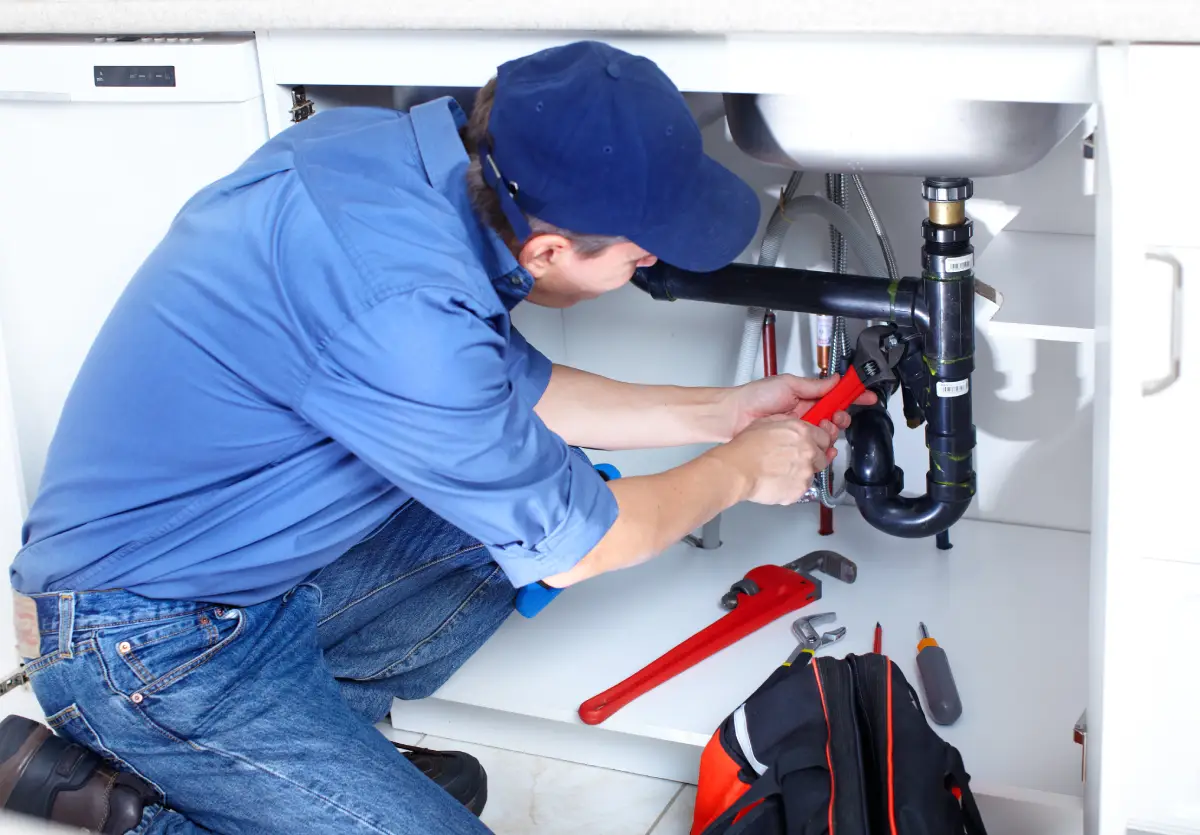
A worn compressor here, a leaking pipe there, a roof patch that never quite holds. Louisville landlords tend to notice each of these as separate headaches rather than pieces of the same story. Anyone brushing up on property maintenance best practices already knows that consistency matters, but consistency alone won't stop a system from reaching the natural end of its lifespan. The math backs this up, too. The median owner-occupied home nationwide now sits at 41 years old, which puts a lot of pressure on the original systems still running inside Louisville's older rental properties.
At PMI Louisville, we walk owners through their repair history to figure out which calls are truly random and which ones are pointing toward something bigger. That distinction changes how you spend money on a property for years to come.
Key Takeaways
- Repeated repairs on one system usually point to age, not chance.
- A full repair history reveals patterns individual work orders miss.
- Planning replacements ahead costs less than reacting to failures.
- Reliable systems keep tenants satisfied and reduce turnover.
- A professional evaluation clarifies whether to repair or replace.
Why the Same Issue Keeps Resurfacing
Every major component in a rental home has a limited lifespan. Roofs, water heaters, furnaces, and plumbing lines all wear down gradually, and once that decline sets in, small failures tend to become more frequent instead of less.
Fixing one section of pipe doesn't repair a plumbing system corroding elsewhere. Patching part of a roof doesn't undo years of exposure to Kentucky's humid summers and freezing winters. When one part of a system starts failing, the rest usually follow close behind, just less visibly at first.
Owners who track patterns across these categories tend to catch problems sooner.
- HVAC equipment
- Water heaters
- Plumbing lines
- Roofing systems
- Exterior siding
- Windows and doors
Once several repairs stack up in the same category, replacement often becomes the smarter financial move, even if the property still technically functions.
Deterioration Doesn't Always Show Itself Right Away
A lot of wear happens behind walls, beneath flooring, or inside a mechanical unit long before anything looks wrong on the surface. A tenant might mention a musty odor one month and a slow drain the next, and those two complaints can look unrelated when they actually share the same root cause.
Corroding pipes tend to produce leaks in different spots rather than at one obvious point. Roof problems build gradually as flashing wears down or shingles reach the end of their service life. HVAC systems lose efficiency well before a full breakdown, and older windows develop drafts once their seals give out.
Looking past the immediate complaint toward the system behind it saves time and money down the road, even in a specific area like Peewee Valley, where maintenance requests often follow the same pattern as anywhere else in the region.
Recognizing When Repairs Stop Paying Off
Small repairs make sense while a system is still fundamentally sound. Eventually, the balance tips, and continued repairs cost more than replacing the system outright.
Building a dependable contractor dream team makes it easier to get honest assessments about whether a system still has life left or has genuinely reached its limit. A few signs tend to show up consistently.
If a contractor keeps returning for a similar issue every few months, that frequency alone is meaningful. Costs climb steadily too, since labor, parts, and scheduling all add up with repeat visits. Emergency repairs after hours push those costs even higher, and leaks or failures that damage flooring, drywall, or cabinetry add expenses well beyond the original job.
What a Complete Repair History Actually Shows
One repair ticket rarely tells the whole story. Pulling together a property's full repair history over a year or two usually surfaces patterns that individual work orders miss entirely.
The Joint Center for Housing Studies of Harvard University found that homeowners spent an estimated $503 billion in 2024 on remodeling and repairs nationwide, a figure that reflects just how much upkeep aging housing stock requires. Reviewing your own records with that in mind, watching for repeated leaks in the same spot, seasonal HVAC issues, recurring appliance failures, or roof repairs after every storm, helps you plan instead of react.
That kind of review also makes budgeting far simpler. Instead of scrambling when something finally breaks, you can set money aside well before a replacement becomes urgent.
Turning Repair Patterns Into Bigger Decisions
Every rental eventually needs larger investments, and the real challenge is deciding which project comes first. Repair history gives owners actual data to base that decision on instead of guesswork.
Having reliable Crestwood area contractors on speed dial means faster, more honest assessments when a system starts showing signs of wear. Replacing an aging roof now might prevent years of recurring leak repairs. A new HVAC unit might eliminate the seasonal breakdowns owners have grown used to.
A few factors are worth weighing before committing to a major project. Compare ongoing repair costs against full replacement, since repeated fixes often exceed what a new system would cost outright. Consider how much life a component realistically has left, since knowing average lifespans helps time replacements correctly. Factor in tenant satisfaction, since dependable systems mean fewer complaints and less turnover. And build these projects into your budget ahead of time instead of treating them as surprises.
Getting Ahead of the Next Breakdown
Waiting until a system fails completely almost always costs more in repairs, property damage, and tenant frustration than addressing it proactively. A free rental analysis can help clarify whether your recent repairs point toward a bigger investment opportunity.
Consistency matters here. Annual inspections, seasonal HVAC servicing, roof checks, plumbing assessments, and regular exterior upkeep all play a part. Tenants notice this kind of attention too, and they tend to stay longer in homes where problems get resolved before becoming real inconveniences.
Running the numbers through our ROI calculator can help you see how a planned replacement stacks up financially against continued repairs over time. Owners looking to understand their responsibilities in more depth can also check our resources built for owners.
FAQs about Aging Rental Systems in Louisville, KY
Does the type of foundation affect how a property ages over time?
Yes, somewhat. Certain foundation types are more prone to shifting, which can accelerate wear on plumbing and structural elements. Knowing your foundation type helps you anticipate which systems may need earlier attention.
Is it worth tracking repair costs by season rather than by year?
It can reveal patterns a yearly view misses. Seasonal tracking shows whether certain systems, like HVAC before summer or plumbing before winter, consistently need attention at predictable times.
How do I explain a rising repair budget to a co-owner or partner?
Share the repair history alongside age estimates for major systems. Framing rising costs as a natural part of property aging, backed by documentation, makes the conversation easier and more transparent.
Should I prioritize replacing the most expensive system or the most frequently repaired one?
Frequency often matters more than cost per repair. A cheaper system failing repeatedly can drain more money and tenant patience over time than an expensive system that rarely needs attention.
Does bundling multiple replacements together save money compared to spacing them out?
Sometimes, especially with contractor scheduling and bulk material costs. It depends on your cash flow and whether the systems are failing at similar rates, so a case-by-case review helps.
Where Good Property Management Starts
Every property has a story written into its maintenance records, and the owners who take time to read it usually come out ahead financially. PMI Louisville brings that same careful attention to every rental we manage across the city, turning routine data into decisions that actually protect your investment.
Request a maintenance review for your property, and you'll start making decisions based on real repair data instead of reacting to the next surprise call.
